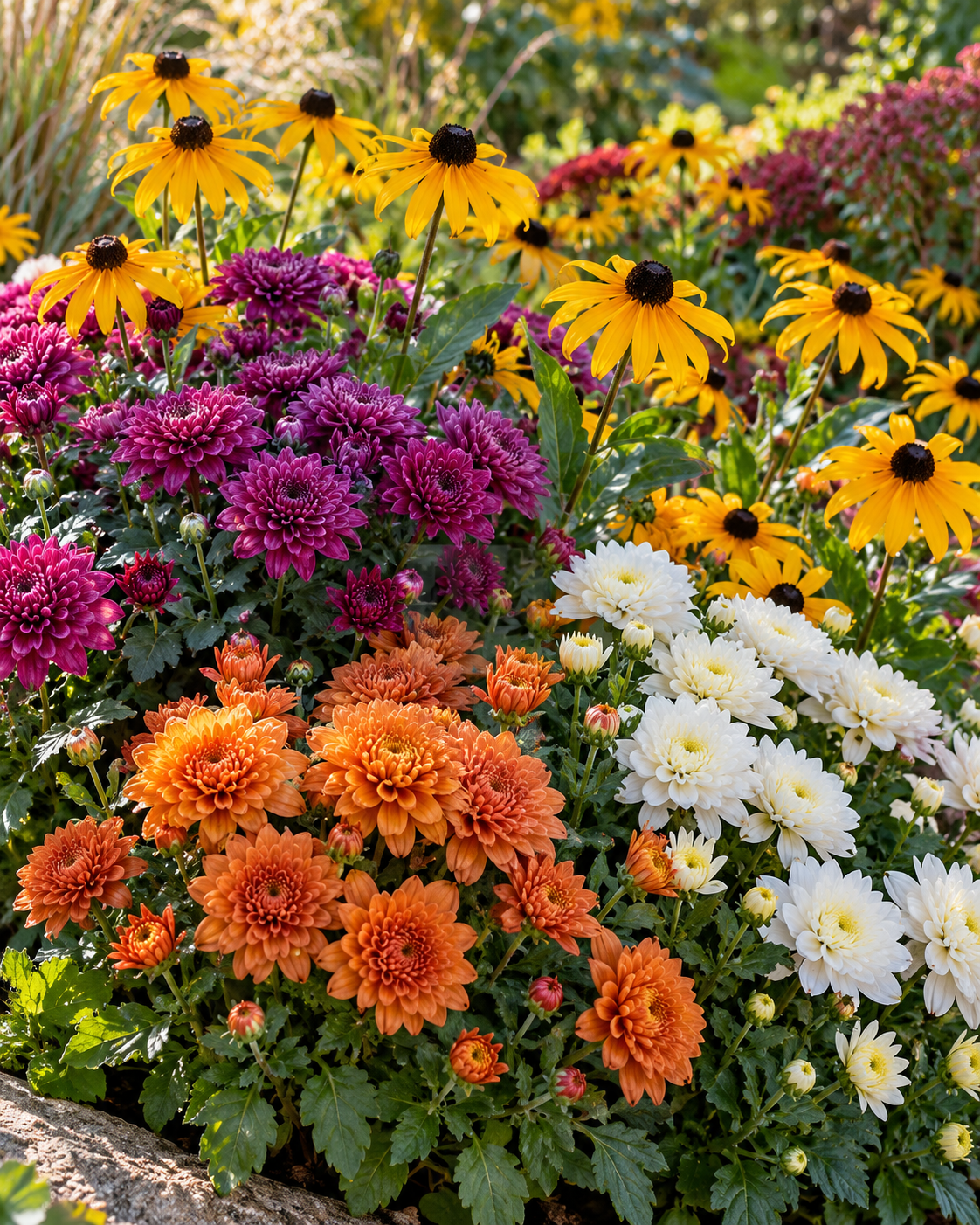
Fall cleanup isn’t just the end of the gardening season. It’s the beginning of next year’s garden.
Before I pull everything out and forget the details, I like to look around and ask myself: What did I love? What disappointed me? What should I move? And what do I want to do differently next year?
Keep the Winners
Some plants make the decision easy.
My small yellow grape tomatoes were sweet, delicious and abundant. They absolutely earned a place in next year’s garden.
The same principle applies to flowers. Look at the containers and garden combinations that really worked. My combination of coleus, geraniums and trailing ivy created exactly the full, colorful look I wanted.
Instead of starting over next spring, I can use what I learned—and even propagate some of these plants—to recreate the combinations I loved.
Replace What Didn’t Work
My straight eight cucumbers grew, but I found them to have more seeds and less flesh than I wanted. Next year, I’m going to try an seedless-type cucumber and see whether I prefer the results.
My beefeater tomatoes eventually produced, but they were rather tasteless. I grew them from older seeds, which made me wonder whether that was the problem.
Old seed can affect germination and sometimes early seedling vigor, but it generally isn’t what determines the flavor of a mature tomato. Variety, sunlight, ripeness, temperature and growing conditions have much more influence on flavor.
So rather than automatically planting the same tomatoes again with newer seed, I’m going to use that valuable garden space to try something different.
Look at Where Plants Grew Best
This is also the perfect time to compare different parts of the garden.
I have two sides of one flower garden where the difference was obvious. On one side, the flowers really went to town. On the other, they did reasonably well—but nothing like the first side.
Why?
That’s something worth figuring out now.
It could be differences in sunlight, moisture, drainage, soil quality or competition from nearby roots. Rather than treating the entire garden exactly the same next year, I can work on improving the weaker area.
Don’t Forget the Soil
When you’re cleaning up the garden, look down as well as around.
Did some areas dry out constantly? Did another area stay wet? Did one bed produce noticeably larger or healthier plants?
Fall is a good time to remove unhealthy plant material, add compost or organic matter where appropriate, and make notes about areas that need improvement.
The goal isn’t necessarily to fix everything this fall. The goal is to remember what the garden taught you.
Plan Your Perennials, Too
Vegetables aren’t the only plants worth reviewing.
Which perennials would you like more of next year? Which could be divided? Which annuals could be propagated instead of purchased again? Which plants should move to a sunnier—or shadier—location?
A little planning and propagation now can mean buying far fewer plants next spring.
Take Pictures Before You Clean Up
Before everything disappears for winter, take pictures.
Photograph the successful containers. Photograph the areas that struggled. Write down the varieties you loved—and the ones you don’t want again.
Don’t wait until the seed catalogs arrive to plan next year’s garden. Plan it while you can still see this year’s garden.
By spring, you won’t have to remember what worked.
You’ll already have a plan.
Turn What You Learned Into Next Year’s Plan
A successful garden isn’t about getting everything right the first time. It’s about noticing what worked, learning from what didn’t, and using those lessons to make the next season easier.
That’s exactly the approach behind my book, Easy Urban Homesteading. It’s designed to help you take what you already have—whether that’s a backyard, deck, patio, or small garden—and turn it into a practical homesteading plan that works for your space and your life.
If you’re already thinking, “Next year I’m going to do this differently,” this is the perfect time to start.
Explore Easy Urban Homesteading: https://easyurbanlifestyle.com/Book/ and start planning next year’s garden today.